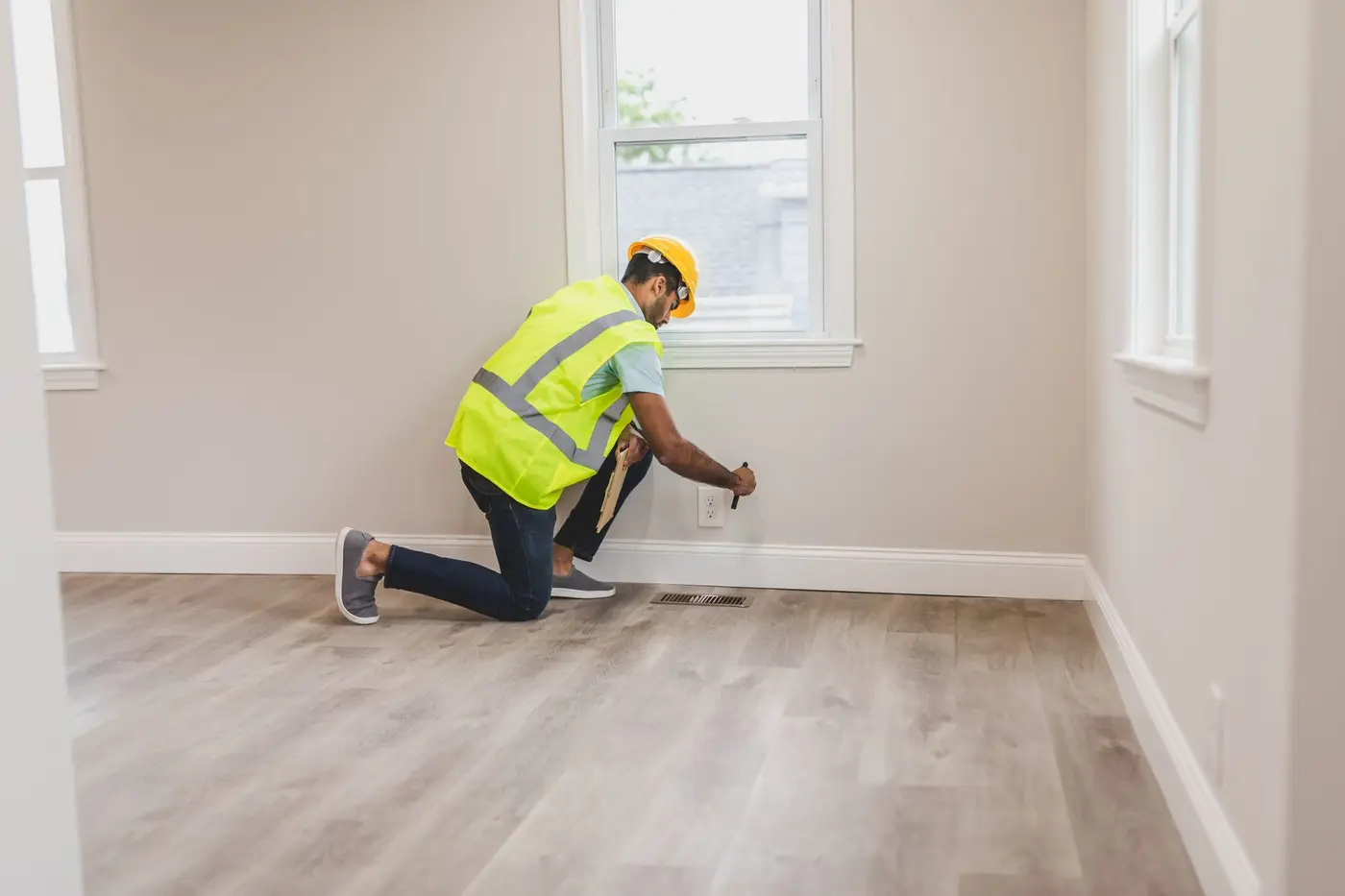
Many first-time landlords plan to fix up a house themselves before the first tenant moves in. If the house was built before 1978, a federal rule may require EPA certification for that work, even when you are doing it yourself. The rule is EPA's Renovation, Repair and Painting (RRP) rule, and it is easy to miss because it isn't part of any city's rental license.
Why it applies to you as a landlord
The rule covers renovation work done for compensation. EPA's compliance guide states that receiving rent, or a salary paid from rent, counts as compensation. That means a landlord or the landlord's employee working on a pre-1978 rental is covered in the same way a hired contractor would be.
Small jobs that fall below the rule
EPA treats a job as minor repair and maintenance when it disturbs no more than 6 square feet of painted surface per room inside, or 20 square feet outside. Three kinds of work never qualify as minor, however small: window replacement, demolition of painted surfaces, and any of the practices the rule prohibits.
Patching a few nail holes usually stays under the limit. Scraping and repainting a whole wall, sanding window sashes or replacing windows does not.
When the rule applies
- Who does the work. The work has to be done by an EPA-certified firm using a certified renovator. EPA notes that sole proprietors need firm certification too. If you want to do the work yourself, that means certifying yourself.
- Training. The initial renovator course is eight hours. A four-hour refresher is available to people who completed qualifying training before October 4, 2011. Firms and renovators recertify every five years.
- Before work starts. Give the Renovate Right pamphlet to the owner and the occupants. Hand-deliver it and get a receipt, or mail it at least 7 days ahead and keep proof of mailing. Delivery can happen up to 60 days before the work starts.
- Records. Keep the paperwork, including pamphlet receipts and compliance records, for three years after the job is finished.
How this connects to city lead-safe certificates
In Cleveland and Toledo, a pre-1978 rental needs a lead-safe certificate. If the home fails its lead check, the repairs that follow are usually covered by this renovation rule, so the person doing them needs certification. Each city's walkthrough covers its own steps: see the lead-safe programs we track.
Sources
- EPA: Small Entity Compliance Guide to Renovate Right (revised March 2026)
- EPA: If a project disturbs six square feet or less of interior surface, or 20 square feet or less exterior
- EPA: How can I find a certified renovation firm in my area?
Sources checked November 21, 2026. General information, not legal advice.