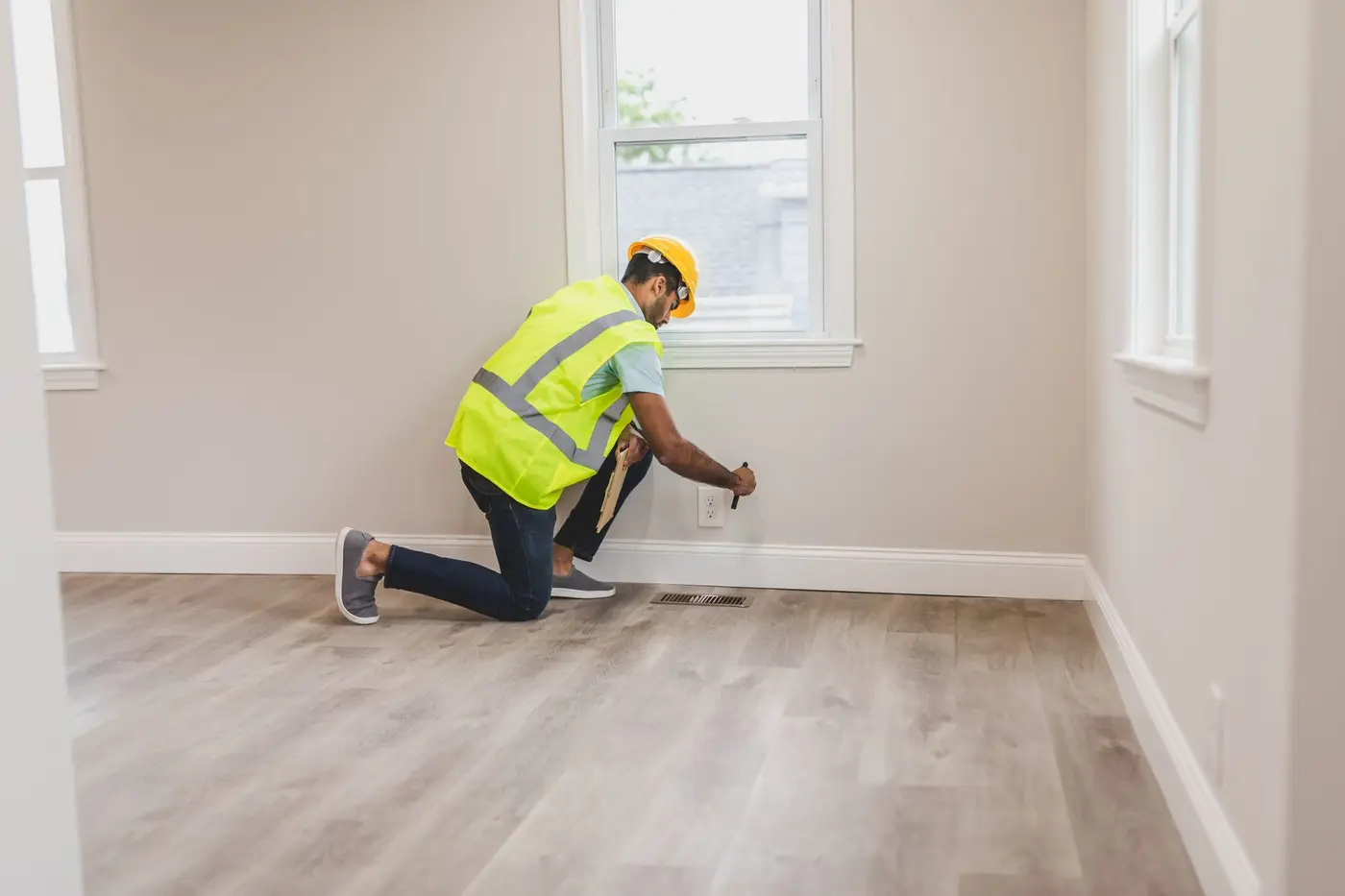
Washington has no statewide rental license or registry. Cities run their own programs, and a state law sets the limits on their rental inspections: RCW 59.18.125. Its rules shape every program on this site's Washington pages, so it's worth knowing before you deal with any one city. The state Department of Commerce counted 17 city rental registries in its 2024 report to the Legislature, covering about 40% of the state's rental units.
What the law lets cities require
- A certificate of inspection, as a condition of a business license or on its own, even if the city has no license or registration program.
- No more than once every three years. A city can inspect less often, but not more.
- Exemption for new buildings. A property that got a certificate of occupancy within the last four years and has had no reported code violations is exempt. A city may also accept proof of an inspection by a government agency or qualified inspector within the previous 24 months.
- Penalties for not complying, and a rule that it is unlawful to rent until the certificate is provided. Knowingly submitting a falsified certificate is a gross misdemeanor with a fine of up to $5,000.
- An appeals process for inspection findings, which the city must offer.
Sampling in larger buildings
A city can't make you inspect every unit in a big building at the start:
- 20 or fewer units: no more than four units sampled
- 21 or more units: no more than 20% of units, rounded up, to a maximum of 50 units per property
If a sampled unit fails, or if health and safety problems were reported since the last inspection, the city may require up to 100% of units. An owner whose building is sampled must give written notice to all units explaining how tenants can request repairs.
Who can do the inspection
A certificate of inspection is a statement by a qualified inspector that the landlord hasn't failed any substantial duty that endangers tenant health or safety. The state's list of qualified inspectors includes HUD-certified inspectors, Washington-licensed home inspectors, ASHI-certified inspectors, private inspectors certified by NAHRO or the American Association of Code Enforcement (or a comparable group the city approves), municipal code enforcement officers, and Washington-licensed structural engineers and architects. Many cities add their own approval step or roster.
Telling your tenants
Before the inspection, give each tenant written notice of entry. It must state the date, the approximate time, the inspecting company or person, and the tenant's right to see the inspector's identification. The inspector may only look at what's needed to issue the certificate.
How Washington cities use it
| City | Routine inspection | Who inspects |
|---|---|---|
| Seattle (RRIO) | Randomly selected for inspection once in the first five years after registration | City or a qualified private inspector from the city's list |
| Kent | Once every three years, on a city schedule | City-approved private inspector |
| Burien | Every three years by zone | Private inspector from the city's roster, at the landlord's expense |
| Bellingham | Before first renting, then about every 3 to 3.5 years | City or a city-trained private inspector |
| Tukwila | Before first occupancy, then generally every four years by zone | City for 12 or fewer units; pre-approved private inspector for 13 or more |
| Lakewood | Once every five years | City or a qualified private inspector |
| Olympia | At least once every five years; the city mails notice by December 1 the year before | City-approved private inspector |
| Tacoma | No routine inspection; inspections follow complaints | Code enforcement, or a qualified inspector for a provisional license |
| Renton | No routine inspection; the city can order one after a tenant request | Qualified inspector |
| Spokane | No fixed interval; the city may select properties | City code enforcement |
| Bremerton | None; landlords self-certify | Self-certification |
| Vancouver | None yet; the city's timeline starts inspections in mid-2027 | Not yet set |
Where you hire the inspector yourself, the inspection fee is between you and the inspector, on top of the city's registration fee. Each city page lists the city's fees and links to its inspector roster where one is published.
Before you rent in Washington
- Find out whether your city has a program on its Washington city list.
- Register or license before renting where the city requires it, and calendar the renewal.
- When your inspection year comes, book a qualified inspector early and send tenants the notice of entry.
- Give the federal lead disclosure for any home built before 1978.
Sources
- RCW 59.18.125 (inspections by local municipalities)
- RCW 59.18.030 (definitions: qualified inspector, certificate of inspection)
- RCW 59.18.060 (landlord duties)
- Washington Department of Commerce: Rental Registry Report to the Legislature (2024)
Sources checked November 21, 2026. General information, not legal advice.