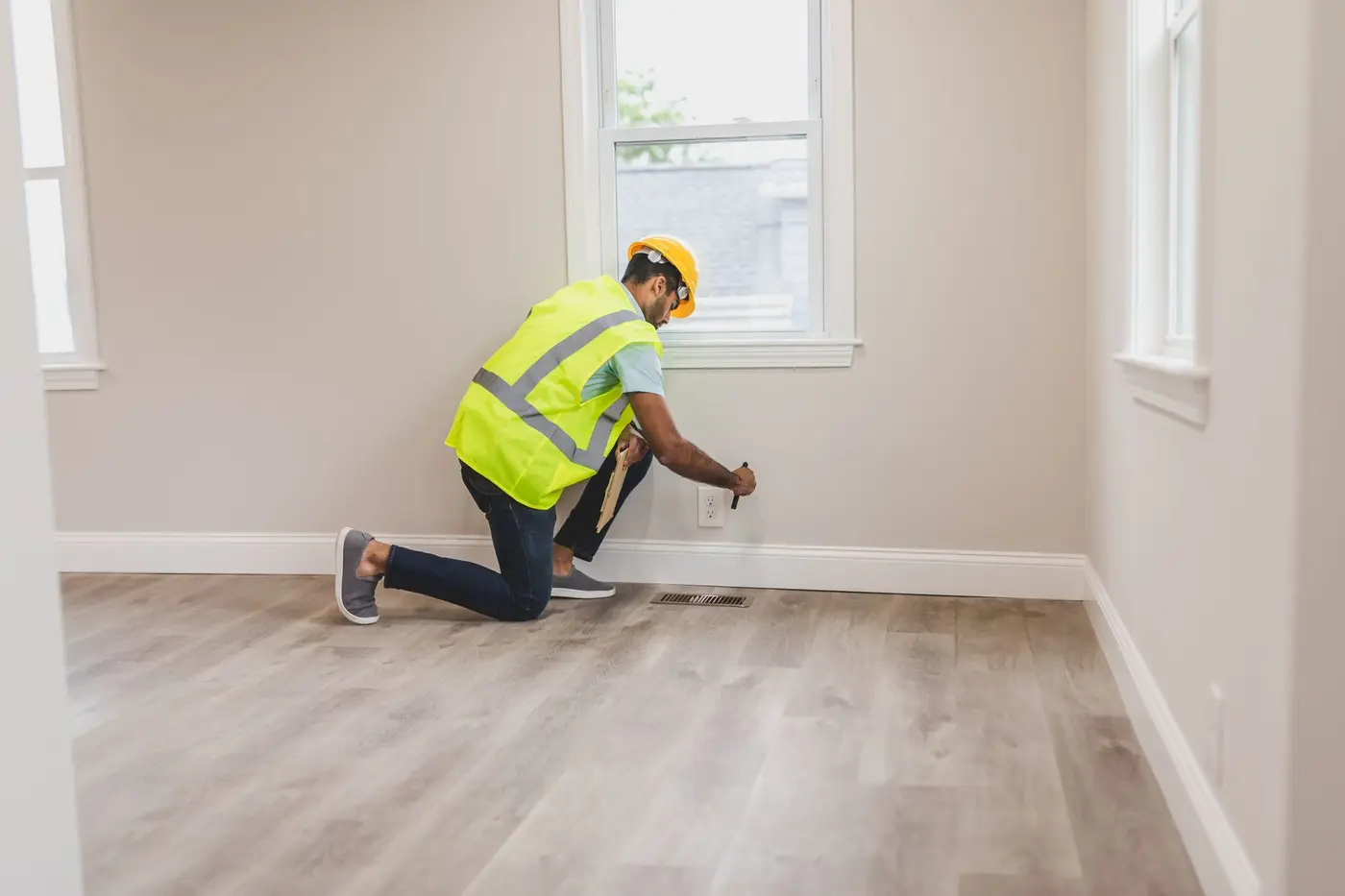
A city rental inspector will almost always test the alarms. Iowa and Minnesota have their own statewide alarm laws for rentals. Ohio leaves the details to building and housing codes. Here is what each state's law says. Each city's inspection checklist, on its city page, may ask for more.
Minnesota
Smoke alarms
Minnesota Statutes § 299F.362 requires smoke alarms in every dwelling unit of a one- or two-unit building, and in every unit of an apartment house. The alarms must meet the State Fire Code, and new homes must have them wired to a central power source.
- Landlord: when the occupant is not the owner, the owner is responsible for maintaining the alarms (subd. 5).
- Tenant: must tell the owner about an alarm that isn't working within 24 hours of finding out (subd. 5a). An occupant who willfully disables an alarm and causes damage or injury commits a misdemeanor.
- Cities generally can't set different standards, but a city may adopt stricter rules for single-family homes and enforce them through truth-in-housing inspections (subd. 9).
Carbon monoxide alarms
Under § 299F.51, single-family homes and each unit of a multifamily building need an approved CO alarm within ten feet of every room used for sleeping.
- Landlord of a multifamily building: installs the alarms. Before a new tenant moves in, replaces any alarm that was stolen, removed, missing or disabled during the last tenancy and wasn't replaced.
- Tenant in a multifamily unit: keeps an owner-supplied alarm in good repair and replaces it if it goes missing or is disabled during the tenancy.
- No one may take the batteries out of a required alarm or disable it. A first violation draws a safety warning; repeat violations are petty misdemeanors.
Iowa
Iowa's alarm law used to be § 100.18. It is now Iowa Code § 10A.518. It covers both smoke and CO alarms, and it treats rentals specifically:
- Smoke alarms are required in existing single-family rental units and multiple-unit buildings, under rules set by the state fire marshal's office.
- CO alarms are required in existing single-family rentals and multiple-unit buildings that have a fuel-fired heater or appliance, a fireplace or an attached garage. The owner installs them where state rules say to.
- Repairs: the owner must fix an inoperable alarm within 30 days of written notice. If the owner doesn't, the tenant may fix or replace it and deduct the cost from rent.
- Batteries: the owner may require a tenant who has lived there more than 30 days to supply batteries for battery-powered alarms.
- Tenants who are deaf or hard of hearing may ask for alarms that give a light signal, and the owner or agent must supply them.
- Tampering with a required alarm, or otherwise breaking the law, is a simple misdemeanor.
Ohio
Ohio's landlord-tenant chapter doesn't spell out alarm rules for houses. Instead, Ohio Revised Code § 5321.04(A)(1) requires landlords to follow building, housing, health and safety codes that materially affect health and safety. In practice, your city's housing code and its rental inspection checklist decide what alarms you need and where. Check your Ohio city page for the checklist.
Before an inspection
- Test every smoke alarm and CO alarm with its test button.
- Check the date on the back of each alarm against the service life in the maker's instructions, and replace alarms that are past it.
- Make sure every sleeping area and every level is covered as your local code requires.
- Keep receipts or notes showing when you installed or replaced alarms. Some cities accept them as proof between inspections.
Sources
- Minnesota Statutes § 299F.362 (smoke alarms)
- Minnesota Statutes § 299F.51 (carbon monoxide alarms)
- Iowa Code § 10A.518 (smoke detectors and carbon monoxide alarms)
- Ohio Revised Code § 5321.04 (landlord obligations)
Sources checked November 21, 2026. General information, not legal advice.